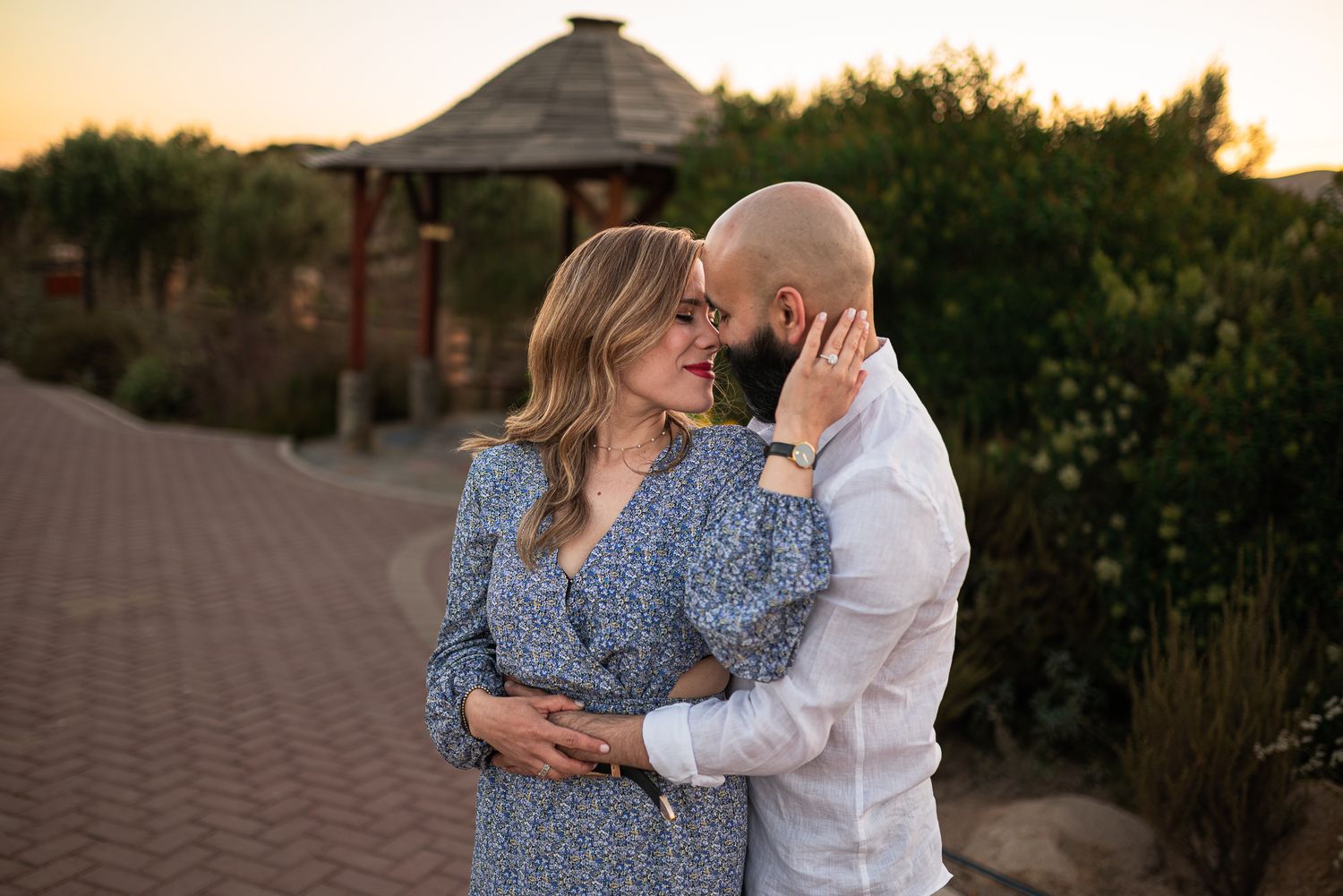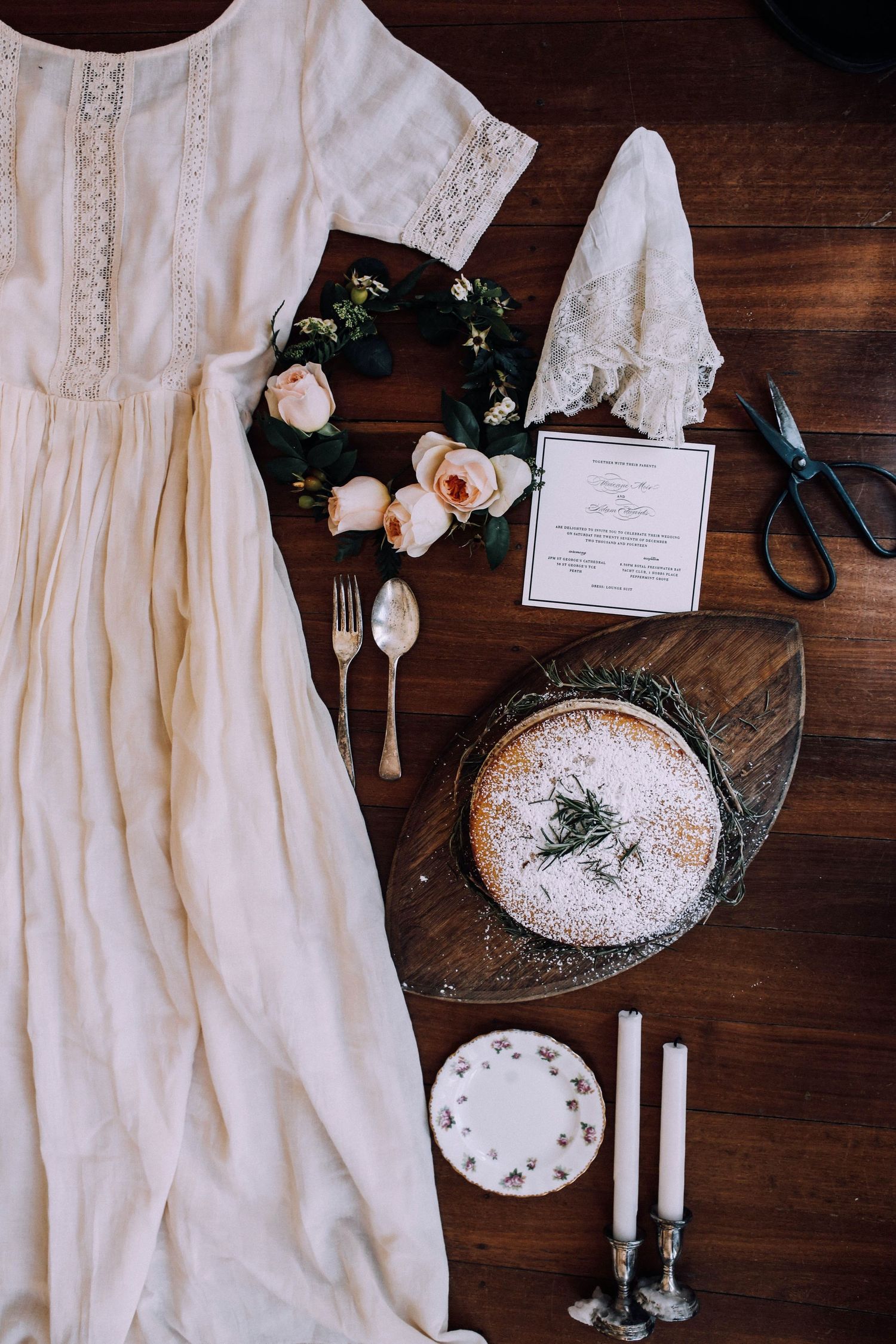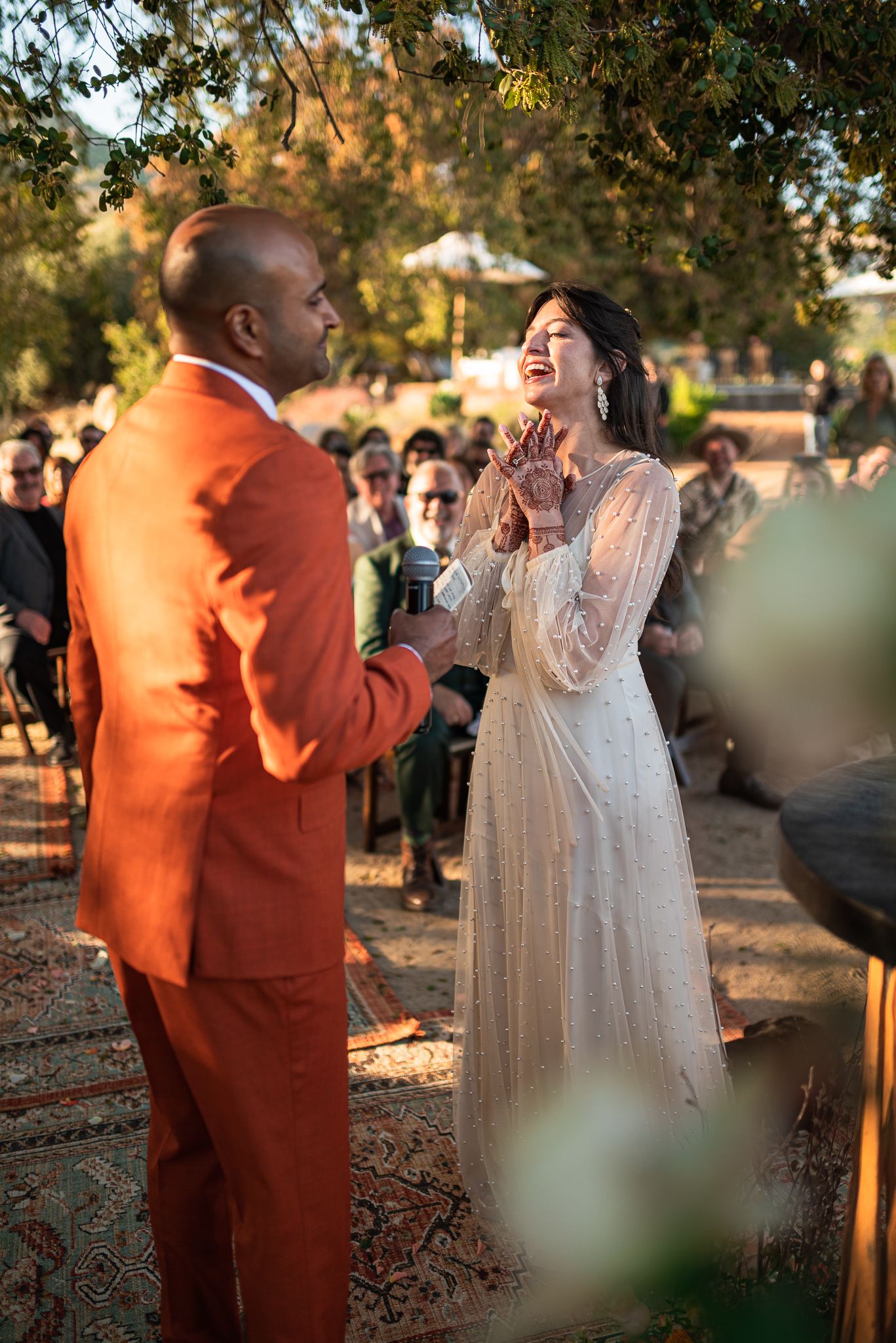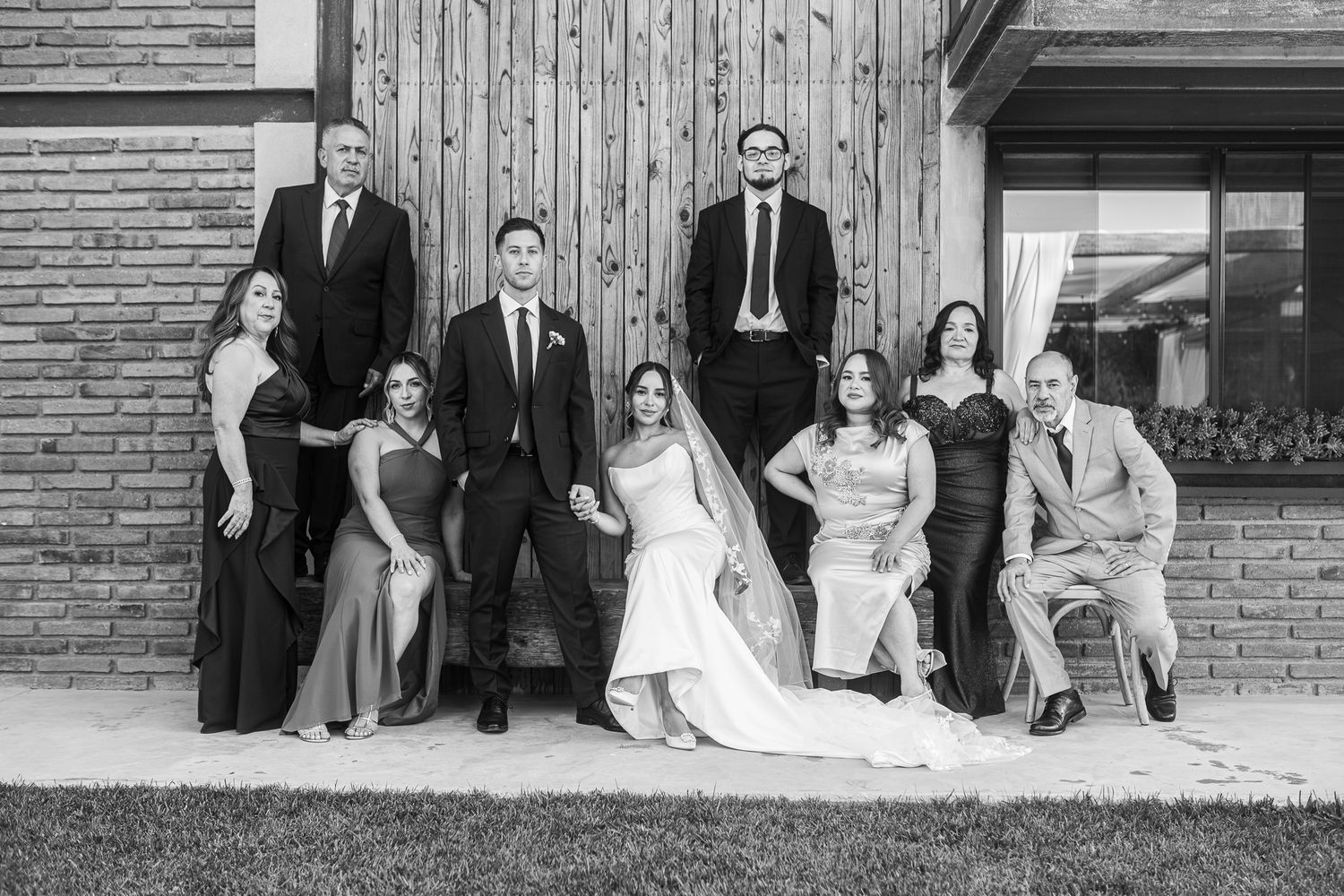
One of the most common questions couples ask when planning their wedding is: How many hours of wedding photography do we actually need?
With so many photographers offering different coverage options—from six hours to full-day coverage—it can be difficult to know what’s right for you.
The answer isn’t simply about how many hours you want to be photographed. It’s about understanding how your wedding day flows, which moments matter most to you, and how much time you want to experience your day without feeling rushed.
A shorter coverage period can work beautifully for an intimate celebration with a simple timeline. A full wedding day, however, often benefits from more coverage—not because you need to be photographed every minute, but because some of the most meaningful moments happen before and after the traditional “main events.”
Here’s how to determine what makes the most sense for your wedding.
1. Start With Your Wedding Day Timeline
Before deciding how many hours of photography you need, look at your overall wedding-day timeline.
Ask yourself:
- What time do you want photography to begin?
- Are you getting ready at the venue?
- Are you having a first look?
- What time does the ceremony begin?
- Will you want sunset portraits?
- What time does the reception end?
- Do you want your photographer to document the dance floor and final moments of the night?
Once you have a rough timeline, it becomes much easier to determine how much coverage you actually need.
The goal isn't to fit your wedding into a photography package.
Your photography coverage should fit the way you want to experience your wedding day.
2. Six Hours of Coverage: When Is It Enough?
Six hours can be a great option for couples planning a smaller or more intimate wedding.
It can work particularly well when:
- The ceremony and reception take place at the same venue.
- You don't need extensive getting-ready coverage.
- The wedding timeline is relatively compact.
- You’re having a smaller celebration.
- You’re comfortable prioritizing certain parts of the day.
For example, six hours could allow your photographer to document part of the getting ready, the ceremony, portraits, cocktail hour, and a portion of the reception.
The key is understanding that with six hours, prioritization becomes important.
There may not be enough time to comfortably document everything from beginning to end.
3. Eight Hours: A Great Balance
For many weddings, eight hours provides a comfortable balance between coverage and budget.
This amount of time can often include:
Getting Ready → First Look → Ceremony → Family & Couple Portraits → Cocktail Hour → Reception
Eight hours also gives your photographer more flexibility when the timeline shifts—which, in real weddings, happens frequently.
A few minutes here and there may not seem significant, but delays can accumulate throughout the day.
Having additional coverage can give everyone more breathing room.
And that breathing room matters.
4. Ten Hours: When You Want the Full Story
Ten hours of coverage can be ideal when you want your wedding photographs to tell a more complete story.
This may allow your photographer to document:
- More of the getting-ready experience
- Details and personal touches
- More candid interactions with family and friends
- The first look
- Ceremony preparations
- Cocktail hour
- Sunset portraits
- Dinner
- Speeches
- First dance
- Dance floor
- Reception details
- The energy of the celebration later in the evening
The advantage isn't simply “more photos.”
It's having enough time for moments to unfold naturally.
Instead of constantly watching the clock, you have more freedom to experience the day.
5. Full-Day Coverage: For Couples Who Don't Want to Miss the In-Between Moments
Full-day wedding photography isn't necessarily about photographing every single minute.
It's about allowing the story to unfold without having to decide which moments are worth leaving out.
Some of the most meaningful photographs happen between the scheduled events.
A parent helping with a dress.
A quiet moment between friends.
The anticipation before the ceremony.
A nervous laugh.
A champagne toast while getting ready.
Your partner seeing you for the first time.
Your grandparents talking during cocktail hour.
Your friends dancing when they think nobody is watching.
These moments aren't always on the timeline.
That's precisely why they can be so meaningful.
6. Don't Forget About Sunset Portraits
This is particularly important for couples planning outdoor or destination weddings.
Your ceremony may finish at 5:00 PM, but your best light might happen later.
Depending on the season and location, golden hour and sunset can fall well after the ceremony.
If beautiful natural light and portraits are important to you, make sure your photography coverage extends far enough into the evening to take advantage of it.
Sometimes, 30 minutes at the right time of day can be more valuable than an additional hour earlier in the timeline.
7. Your Photographer Doesn't Need to Photograph Every Minute
This is one of the most important things to understand.
Having ten hours of photography coverage doesn't mean you need to be in front of the camera for ten hours.
Quite the opposite.
A good wedding photographer should know when to step in, when to guide you, and when to simply let the moment happen.
There should be plenty of time when you're simply living your wedding.
Laughing with your friends.
Having dinner.
Drinking champagne.
Dancing.
Hugging your family.
Being with the person you just married.
The goal isn't to turn your wedding into a photoshoot.
The photographs should become a natural part of the experience.
8. Destination Weddings May Need More Coverage
Destination weddings often have a different rhythm than local weddings.
When you travel to celebrate with your closest friends and family, the wedding can become more than a single day.
There may be a welcome dinner, rehearsal dinner, pool day, boat trip, or farewell brunch.
And even on the wedding day itself, there can be more moments worth documenting because the experience often feels more immersive.
For couples traveling to Mexico for their wedding, this can be especially meaningful.
Your wedding isn't only about the ceremony.
It's about the people who traveled to be there with you.
9. So, How Many Hours Do You Really Need?
There isn't one perfect answer.
As a general starting point:
6 Hours
Best for intimate weddings and shorter timelines.
8 Hours
A great balance for many traditional weddings.
10 Hours
Ideal when you want more of the day documented with less pressure.
Full Day
Best for couples who want a complete visual story and don't want to worry about missing the in-between moments.
But rather than choosing a package based solely on the number of hours, start with a different question:
How do you want to remember your wedding day?
If you only care about the ceremony, portraits, and reception, fewer hours may be enough.
If you want to remember the anticipation, the people, the little moments, the celebration, and everything that happened around the main events, you'll probably benefit from more coverage.
The Right Amount of Coverage Isn't About More Photos
At the end of the day, wedding photography isn't really about hours.
It's about time.
Time to slow down.
Time to experience the moment.
Time for emotions to unfold naturally.
Time for your photographer to anticipate what is coming instead of rushing from one scheduled event to another.
And most importantly, time for you to simply be present.
The right amount of wedding photography coverage isn't about being photographed all day. It's about having enough time to experience your wedding without rushing through it.